nano influencer vs micro influencer: Which to Choose for Your Brand
Understand the differences between nano influencer vs micro influencer for targeted campaigns and maximize engagement rates in India.
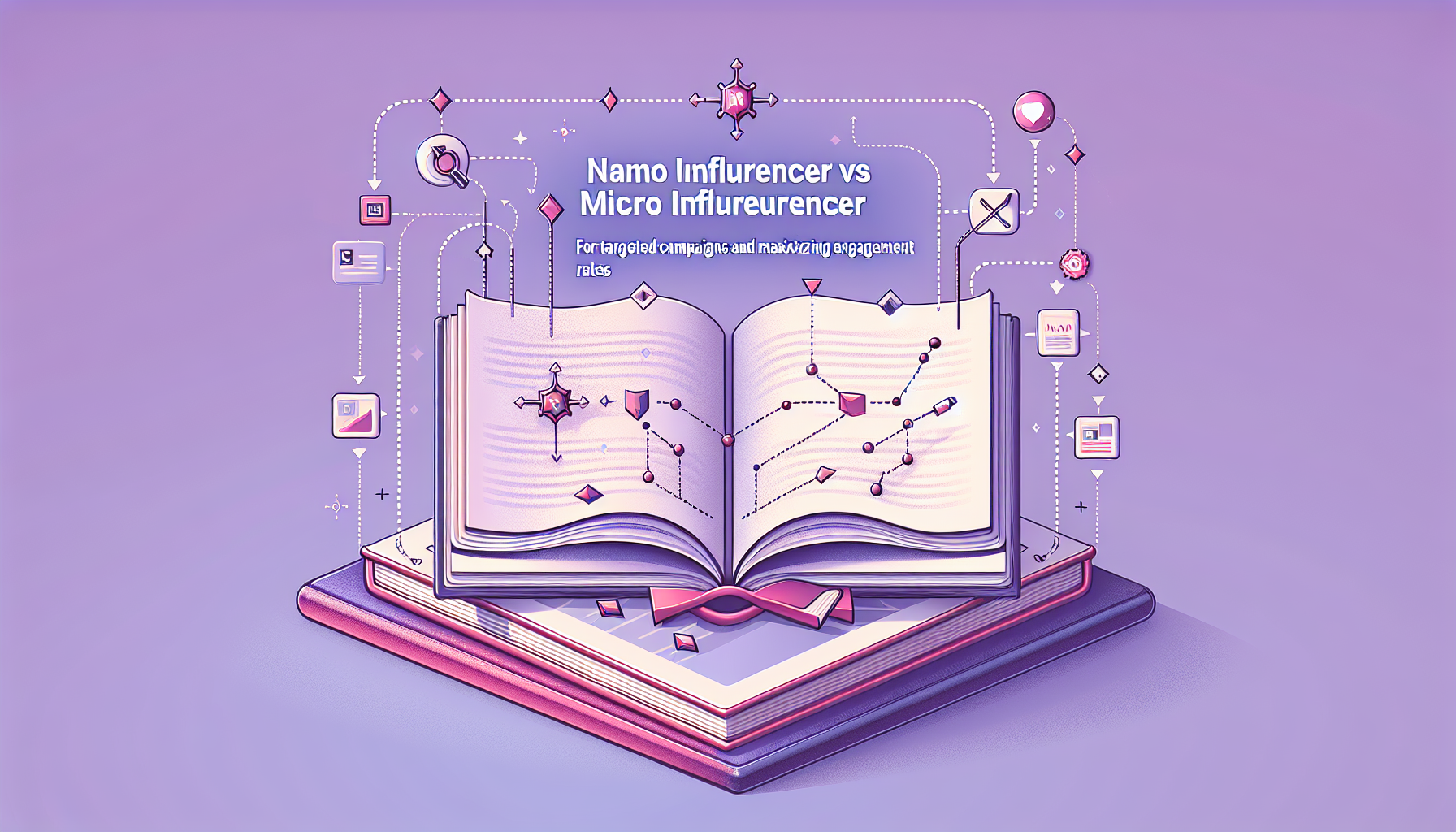
In the context of influencer marketing in India, choosing between a nano influencer and a micro influencer can significantly impact campaign success. For instance, campaigns utilizing nano influencers can boast engagement rates as high as 8%, which is over double the average for micro influencers at 4.5%. This effectiveness becomes paramount when brands leverage tools like the platform for optimized targeting, driving maximum ROI.
nano influencer vs micro influencer — What It Is
When dissecting the "nano influencer vs micro influencer" landscape, understanding the distinctions among creator tiers is essential. Nano influencers typically have between 1,000 and 10,000 followers, while micro influencers boast a follower count ranging from 10,000 to 100,000. These varying tiers lead to different engagement dynamics and audience connections.
Research indicates that audiences engage with influencers based not on follower count but on relatability and authenticity. As a result, brands may find that nano influencers, who cultivate intimacy with their followers, provide a strong value proposition for local market campaigns, especially in densely populated cities like Mumbai or Bangalore.
To gain insights into why these choices matter, refer to our deeper analysis on influencer marketing in India 2026.
Benchmark / Data section
To guide your decision-making, here's a benchmarking table illustrating key differences based on engagement and cost metrics for both nano and micro influencers in India:
| Influencer Type | Follower Count Range | Average Engagement Rate | Cost per Post (₹) | Ideal Campaign Type |
|---|---|---|---|---|
| Nano Influencer | 1,000 - 10,000 | 7% - 10% | 5,000 - 15,000 | Niche brands, local products |
| Micro Influencer | 10,000 - 100,000 | 4% - 6% | 15,000 - 50,000 | Growth-focused, wider reach |
This data illustrates how utilizing nano influencers could yield higher engagement at a lower cost per post compared to micro influencers, making them ideal for D2C brands aiming to build community ties.
Process / How-To section
Here’s a step-by-step process to effectively choose between nano influencers and micro influencers for your campaigns:
-
Identify Your Brand Goals: Decide whether you’re looking for direct sales, brand awareness, or community engagement. This will guide your selection process.
-
Set Your Budget: Allocate your budget based on the types of influencers you intend to engage with. Use the benchmark data above to set realistic expectations.
-
Research Influencers: Use the platform or tools like Instagram and LinkedIn to search for potential nano and micro influencers in your niche. Look at their engagement metrics and the content they produce.
-
Engagement Analysis: Use metrics from tools like MaargAI to analyze previous campaigns the influencers have run—look for authenticity in interactions and audience feedback.
-
Outreach: Reach out to selected influencers with a clear proposition. Highlight mutual benefits, possibly including commission-based structures for sales-driven campaigns.
-
Set Collaboration Terms: Define the deliverables, timelines, and payment structures. Ensure clarity on content types—stories, posts, reels—that resonate with their style.
-
Review and Optimize: After deploying the campaign, use analytics to track performance. Evaluate metrics such as engagement rates and conversions to understand which influencer type worked best for your goals.
Common Mistakes
-
Ignoring Audience Demographics: Some brands fail to analyze the specific audience demographics that nano and micro influencers attract. Fix: Use the platform to segment audiences effectively before launching campaigns.
-
Overvaluing Follower Count: Focusing solely on follower count can lead to wasted resources. Fix: Assess engagement rates and audience relationship quality, as demonstrated in the earlier table, rather than just sheer numbers.
-
Lack of Clear Objectives: Campaigns without defined objectives tend to falter. Fix: Prioritize strong KPIs—like engagement vs. impressions—to measure success accurately.
Advanced / Strategic section
For brands looking to deepen their influencer marketing strategies, consider these advanced tactics:
-
Leverage the power of video: According to recent studies, video content generates 1200% more shares than text and images combined. Utilize nano influencers in platforms like TikTok or Instagram Reels to capitalize on their strong engagement rates.
-
Utilize cross-promotions: Pair a nano influencer with a micro influencer to leverage their combined reach for broader campaigns. This allows brands to target diverse audience segments effectively.
-
Optimize for eCommerce: Use platforms like Myntra or Meesho and have influencers create shoppable content that links directly to product pages, increasing conversion opportunities. Refer to insights on influencer marketing ROI India to enhance your measurement processes.
FAQs
What is the primary difference between nano influencers and micro influencers?
The key distinction lies in their follower count; nano influencers typically have between 1,000 to 10,000 followers, while micro influencers have a larger base of 10,000 to 100,000. This affects their engagement rates and the type of relationship they cultivate with audiences.
Which type of influencer should I choose for brand launches?
For brand launches, micro influencers can be advantageous due to their broader reach and perceived authority, particularly in niche markets. However, if community engagement is a priority, nano influencers can deliver superior results owing to their intimate follower relationships.
How can I measure the effectiveness of my influencer campaigns?
Utilize analytics tools like the platform for real-time engagement tracking and ROI analysis. Measuring metrics such as engagement rates, audience growth, and conversion tracking will provide clarity on the campaign's success.
With these insights, D2C founders can make informed decisions between nano influencers and micro influencers to achieve better audience engagement and ROI. Start with FootPrynt
Tags
Ready to Scale Your Influencer Marketing?
Join 1,000+ brands using FootPrynt's AI platform for influencer discovery, outreach, and attribution.
Start Free Trial →