Influencer Marketing vs Affiliate Marketing: Which Strategy Wins in 2026?
Complete comparison of influencer vs affiliate marketing. Discover which strategy delivers better ROI and how to combine both for maximum results.
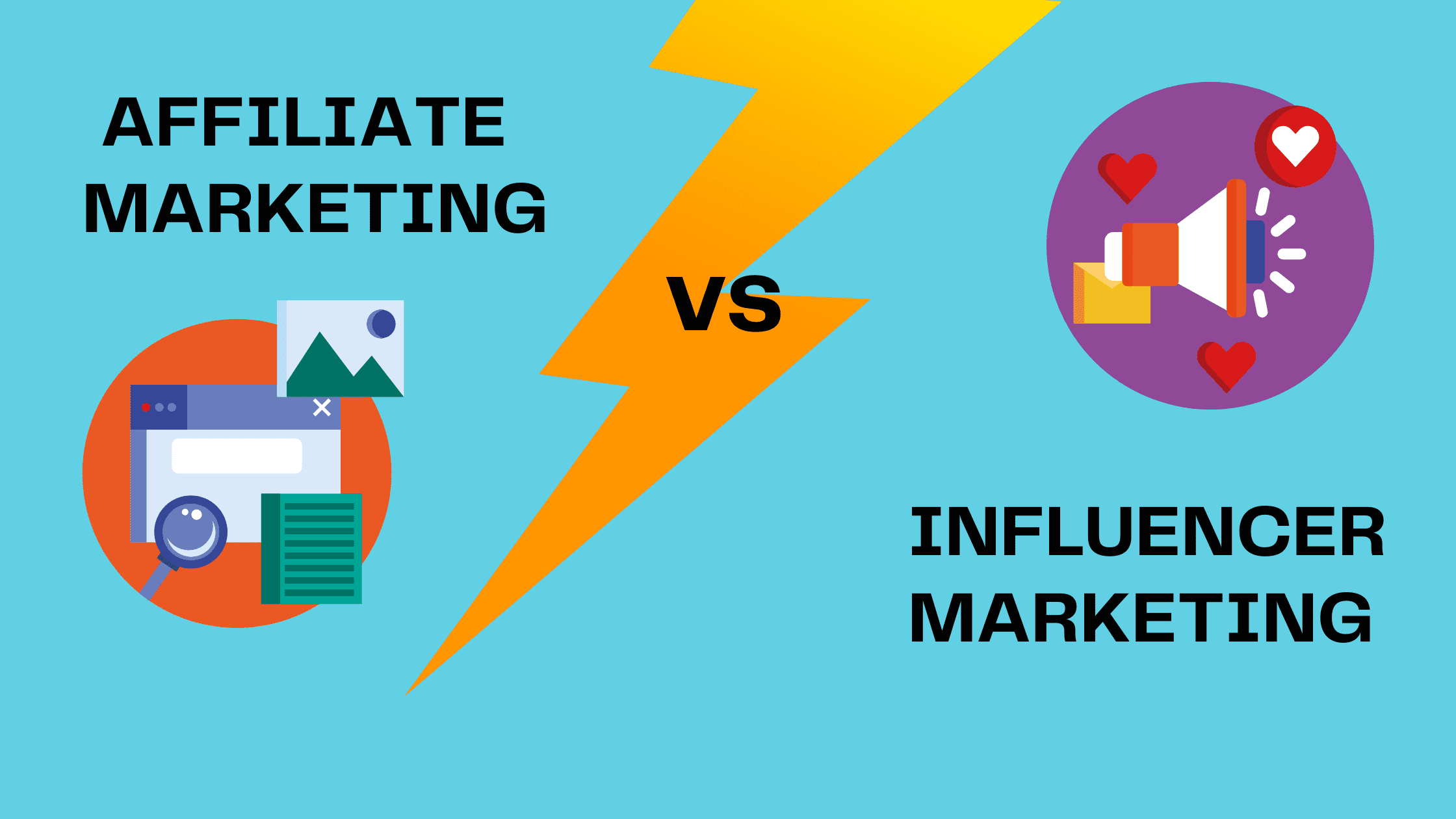
The Question Every Marketer Faces
With almost everything happening online, there are loads of different ways to market your brand digitally. Two strategies that consistently come up in every marketing budget conversation are influencer marketing and affiliate marketing. The confusion about which one delivers better results has led many marketers to pick one and ignore the other — often at a significant cost.
This guide gives you the full picture: what each strategy is, how they compare, and when to use which.
What is Affiliate Marketing?
Say you're planning a trip to India and you find a travel blogger's guide with a 10-day itinerary. At the bottom of the post, there's a link to get a discount on car rentals. You click, book the car — and two things happen:
- The travel blogger earns a commission on your booking
- The car rental service just acquired a customer at a predictable cost
That's affiliate marketing.
Affiliate marketing is an arrangement between a brand and an affiliate (individual, business, or website) where the brand pays a percentage of each sale generated through the affiliate's unique tracking link.
Benefits of Affiliate Marketing
- Performance-based cost: You only pay when a sale happens — zero risk of paying for reach that doesn't convert
- Scalable: One affiliate program can have thousands of affiliates driving sales simultaneously
- Trackable: Every sale is attributed precisely through unique links and codes
- Long-tail SEO value: Affiliates often create evergreen content (blog posts, YouTube videos) that drives traffic for years
Limitations of Affiliate Marketing
- Brand control is limited: Affiliates create their own content; you can't fully control messaging
- Delayed results: SEO-driven affiliate content takes months to rank and drive volume
- Commission rates can eat margins: High-converting niches (finance, software) often require 20–40% commission
What is Influencer Marketing?
Influencer marketing is when a brand pays a content creator to promote their product to that creator's engaged audience. Unlike affiliate marketing, payment is typically upfront (fixed fee) regardless of how many sales the post generates.
The value isn't just conversions — it's trust transfer. When @fashionista_priya (8.2K highly engaged followers) says she loves your skincare product, her audience extends their trust in her to your brand.
Benefits of Influencer Marketing
- Immediate reach: A single post reaches thousands of engaged followers instantly
- Trust and authenticity: Recommendations from creators feel more genuine than display ads
- Content creation: You get high-quality UGC that can be repurposed across channels
- Brand building: Influencer associations shape brand perception over time
Limitations of Influencer Marketing
- Upfront cost with variable returns: You pay the fee whether the campaign converts or not
- Attribution complexity: Tracking which influencer drove which sale requires dedicated infrastructure
- Audience mismatch risk: A creator's follower count means little if their audience doesn't match your target customer
Head-to-Head Comparison
| Factor | Influencer Marketing | Affiliate Marketing |
|---|---|---|
| Payment Model | Upfront fee | Performance (commission) |
| Risk | Higher (pay regardless of results) | Lower (pay only on conversion) |
| Speed to Results | Immediate (post goes live) | Slow (SEO takes months) |
| Scalability | Limited by budget | Highly scalable |
| Brand Control | Moderate | Lower |
| Attribution | Requires setup | Built-in (tracking links) |
| Content Quality | High (creator-produced) | Variable |
| Audience Trust | High (personal recommendation) | Moderate (content recommendation) |
| Best for | Brand building + awareness | Direct sales + performance |
Which Delivers Better ROI?
The honest answer: it depends on your business stage and objective.
Choose influencer marketing when:
- You're launching a new product and need immediate awareness
- Your brand is unknown and needs credibility fast
- You have budget certainty (fixed fees are easier to plan)
- Your product has a strong visual or experiential story to tell
Choose affiliate marketing when:
- You want guaranteed cost efficiency (only pay for results)
- You're in a high-intent search category (reviews, comparisons)
- You have a mature product with proven conversion rates
- You want a long-term, scalable acquisition channel
ROI Comparison by Industry
| Industry | Influencer ROAS | Affiliate ROAS | Better Choice |
|---|---|---|---|
| Fashion | 4.2x | 2.8x | Influencer |
| SaaS / Software | 2.1x | 5.4x | Affiliate |
| Beauty & Skincare | 5.8x | 3.1x | Influencer |
| Finance | 1.8x | 6.2x | Affiliate |
| D2C Food | 3.8x | 2.4x | Influencer |
| Travel | 2.9x | 4.7x | Affiliate |
The Hybrid Approach: Why You Don't Have to Choose
The smartest brands in 2026 aren't choosing between influencer and affiliate — they're combining both:
The Hybrid Model:
- Influencer campaign → drives awareness and trust, generates high-quality UGC
- Affiliate tracking → add a unique commission link to every influencer's content
- Influencer becomes affiliate → creator earns ongoing commission on every sale from their audience, incentivising them to keep promoting
Result: You get the authenticity and reach of influencer marketing with the performance accountability of affiliate marketing.
Companies using the hybrid model report:
- 40% higher conversion rates vs influencer-only
- 3x longer content lifespan (creator keeps promoting to earn commissions)
- 25% lower effective CPA vs pure affiliate
Implementation Steps for the Hybrid Model
- Select creators based on audience match, not just follower count
- Pay an upfront fee for initial content creation (reduces the "I'll only post if it sells" problem)
- Provide a unique affiliate link alongside the upfront fee
- Set commission at 10–15% — attractive enough to incentivise ongoing promotion
- Track both channels — UTM for clicks, affiliate platform for conversions
The Bottom Line
Influencer marketing wins on brand building, trust, and speed. Affiliate marketing wins on risk management, scalability, and long-term CAC efficiency. The hybrid approach wins on all fronts — it's what a growing number of India's fastest-growing D2C brands are using in 2026.
FootPrynt's platform supports both models — find influencers, run outreach, manage affiliate codes, and track conversion attribution in one dashboard.
Tags
Ready to Scale Your Influencer Marketing?
Join 1,000+ brands using FootPrynt's AI platform for influencer discovery, outreach, and attribution.
Start Free Trial →