audience segmentation without personas to enhance targeting
Audience segmentation without personas offers brands actionable insights for better targeting. Discover how to implement this strategy effectively.
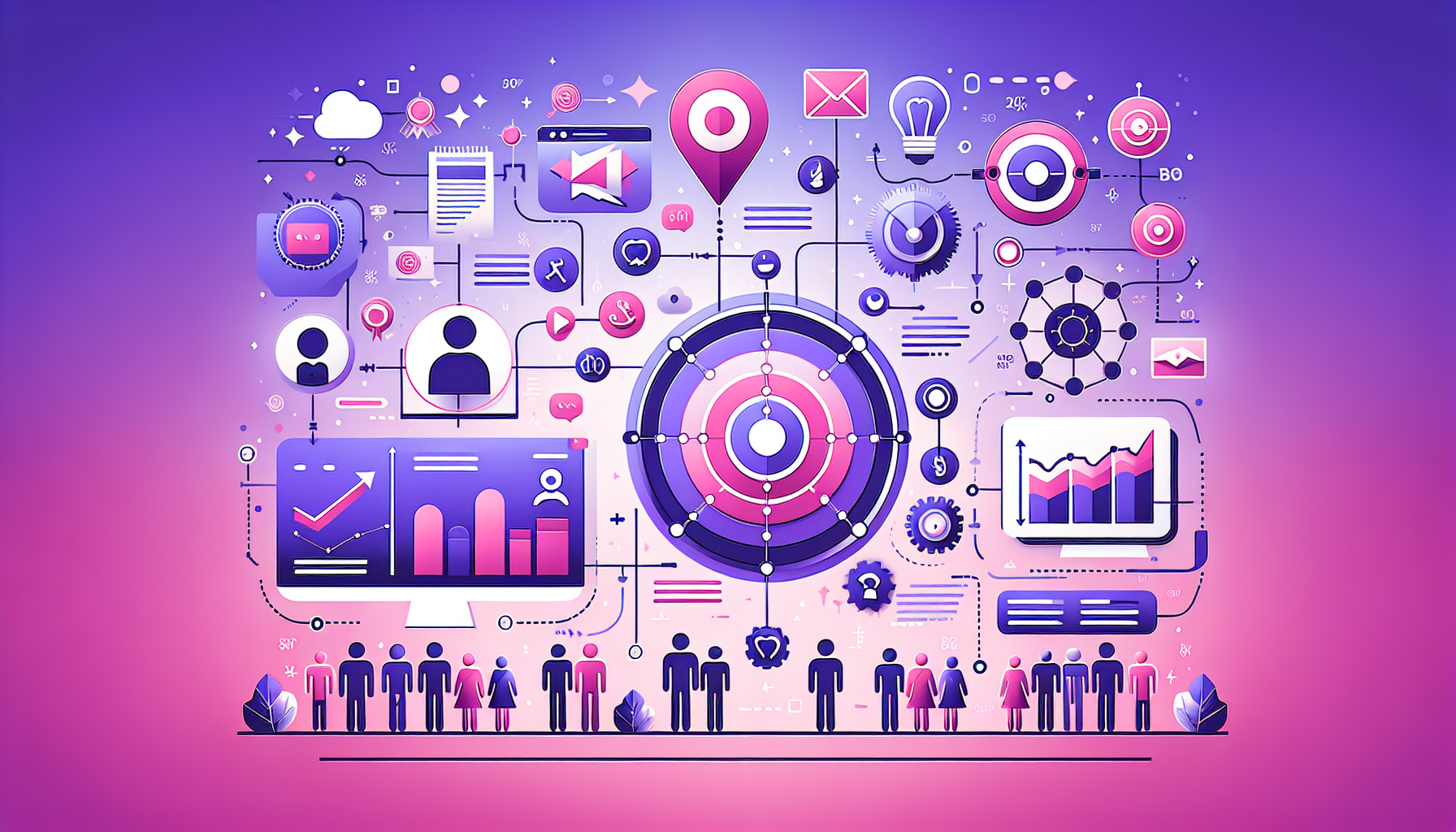
In India, a staggering 75% of brands still rely on traditional audience personas for their marketing efforts, despite a growing focus on real audience segmentation. This reliance often leads to missed opportunities and ineffective strategies. Instead, embracing audience segmentation without personas can provide a more agile and precise approach, allowing brands to tailor their messaging to specific behaviors and preferences. Here, we explore why traditional methods fail and how data-driven insights can inform better marketing outcomes.
audience segmentation without personas — What It Is
Audience segmentation without personas focuses on categorizing consumers based on their actual behaviors rather than fictional, generalized character profiles. Traditional personas are often based on assumptions, demographic data, or broad psychographics that fail to capture the nuances of how people interact with brands in real time.
For example, a retail brand in Mumbai may target young adults aged 18-24 based on a persona that identifies them as tech-savvy buyers. However, this approach may overlook critical insights derived from behavioral targeting that highlight different purchasing patterns across this demographic, as influenced by varying factors like local preferences, economic status, or seasonal trends.
The transition to data-driven audience segmentation centers around using real-time data to identify customer behaviors and needs. By leveraging signals from platforms such as Myntra or Zomato, brands can monitor how users engage with their offerings and modify strategies accordingly.
Benchmark / Data section
To support the case for audience segmentation without personas, here’s a benchmark of consumer behavior across different demographics in India, highlighting the variance in engagement across key platforms.
| Demographic | Platform | Engagement Rate | Average Spend (₹) | Conversion Rate (%) |
|---|---|---|---|---|
| 18-24 (Urban) | Myntra | 25% | 1,500 | 12% |
| 25-34 (Urban) | Zomato | 30% | 1,200 | 15% |
| 35-44 (Urban) | Swiggy | 20% | 800 | 10% |
| 18-30 (Tier-2 Cities) | Hotstar | 40% | 600 | 20% |
| 35+ (Metro Cities) | Zee5 | 35% | 700 | 18% |
These figures show significant differences in how various demographic groups interact with brands across platforms, offering an invaluable resource for brands aiming to refine their marketing strategies.
Process / How-To section
A strategic shift to audience segmentation without personas involves several key steps that ensure effective implementation. Here’s a framework to help:
-
Data Collection: Utilize tools like FootPrynt to gather real-time data on user interactions across multiple platforms. This includes clicks, sessions, purchases, and feedback.
-
Behavioral Analysis: Implement algorithms that analyze user behavior over time. This analysis might consider factors such as purchase frequency and engagement metrics.
-
Signal Detection: Identify purchasing signals (i.e., indicators that suggest a user is ready to buy) through machine learning models that evaluate past behavior to forecast future actions.
-
Segmentation: Create segments based on behavioral patterns rather than demographic assumptions. For example, identify a group that frequently buys home essentials versus one that opts for luxury goods.
-
Personalization: Craft marketing messages tailored to each segment. If a segment shows a propensity for promotions, send targeted offers that resonate with their buying behaviors.
-
Feedback Loop: Continuously monitor performance metrics and refine segments based on emerging data. Adjust campaigns in real time based on user interaction.
By adopting this framework, brands can move away from outdated persona-based strategies and effectively capitalize on real audience segmentation for measurable outcomes.
Common Mistakes
-
Overgeneralization: Relying too heavily on broad categories can obscure vital behavioral differences.
- Fix: Dive deeper into user data to create nuanced segments that reflect behaviors and preferences distinctly.
-
Neglecting Real-Time Insights: Brands may gather historical data but fail to adapt to changing consumer behaviors.
- Fix: Emphasize a robust analytics system that continually updates segments based on real-time data.
-
Ignoring Feedback Mechanisms: Many brands overlook the importance of consumer feedback in sharpening audience segmentation.
- Fix: Implement systems that gather continual user feedback to adjust context and strategy to better fit audience needs.
Advanced / Strategic section
To further leverage audience segmentation without personas, brands should consider integrating with advanced marketing intelligence platforms, such as campaign intelligence explained for better decision-making framework insights.
Utilizing customer journey mapping tools can also provide a comprehensive view of consumer interactions, ensuring that every touchpoint is catered to effectively. Brands can also deploy tools that use predictive analytics to forecast customer behavior, enhancing the agility and precision of marketing strategies.
Ultimately, combining these tools with a focus on data-driven insights allows brands to refine audience segments continuously and respond adeptly to market shifts.
FAQs
What are the benefits of audience segmentation without personas?
Segmentation without personas enables brands to capture real-time behaviors and preferences, allowing for more targeted and effective marketing strategies, reduced waste in advertising spend, and improved customer satisfaction through personalized experiences.
How can brands start implementing this strategy?
Brands can leverage platforms like MaargAI, which provide insights into user behavior and preferences. The key is to establish a robust data collection and analysis process that prioritizes behavioral signals for segmentation.
Can traditional personas still be useful in any context?
While traditional personas can offer a preliminary overview of target audiences, in a data-driven landscape, they often miss the intricacies of actual user behavior. It’s advisable to combine general insights with real-time data for more effective targeting strategies.
In conclusion, shifting to audience segmentation without personas can revolutionize the marketing approach for brands in India. By harnessing real-time data and behavioral insights, you can craft more compelling narratives and improve engagement effectively. Start with FootPrynt
Tags
Ready to Scale Your Influencer Marketing?
Join 1,000+ brands using FootPrynt's AI platform for influencer discovery, outreach, and attribution.
Start Free Trial →